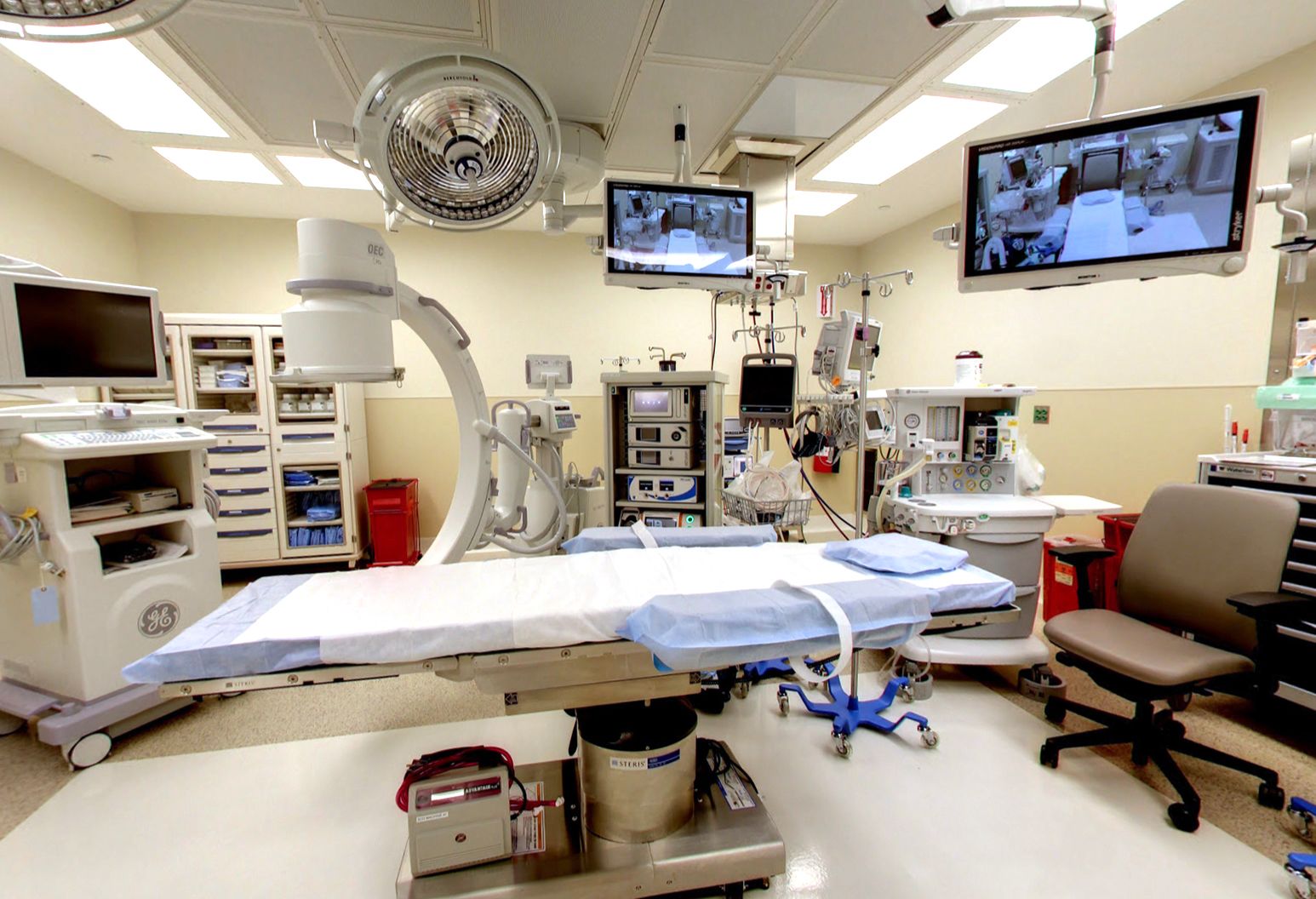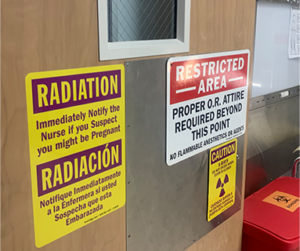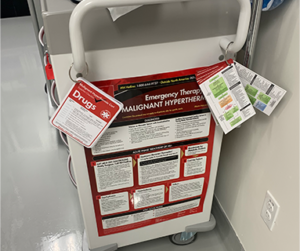


Ambulatory surgery center accreditation is a critical factor in ensuring that outpatient surgical facilities maintain high standards of patient care and safety. For centers aiming to enhance their reputation and operational efficiency, achieving accreditation is a significant milestone. This process not only demonstrates compliance with rigorous regulatory requirements but also boosts patient confidence.
Why Ambulatory Surgery Center Accreditation Matters
Accreditation serves as proof that an ambulatory surgery center meets nationally recognized standards. It involves a comprehensive evaluation of clinical and operational protocols, with an emphasis on patient safety, quality improvement, and staff qualifications. Facilities with accreditation often experience improved patient outcomes and a lower risk of complications.
Navigating Ambulatory Surgery Center Licensing and Consulting
Alongside accreditation, ambulatory surgery center licensing is essential for legal operation in specific states. Licensing requirements vary, but generally include facility inspections and adherence to safety regulations. Many centers engage in ambulatory surgery center consulting to simplify this complex landscape. Consulting experts guide facilities through both licensing and accreditation processes, identifying gaps and implementing best practices that align with regulatory expectations.
Benefits of Accreditation and Professional Guidance
Combining ambulatory surgery center accreditation with proper licensing and expert consulting ensures a facility not only complies with legal standards but also excels in delivering quality care. This comprehensive approach helps centers optimize workflows, enhance patient satisfaction, and sustain long-term success in a competitive healthcare environment.
Investing in ambulatory surgery center accreditation is, therefore, an investment in a facility’s future, safeguarding its mission to provide safe, efficient, and patient-centered care.