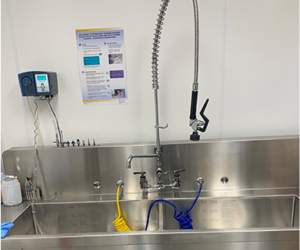


Establishing an Ambulatory Surgery Center (ASC) requires a meticulous approach to federal and state regulations. Navigating the complex guidelines for ASC operations ensures patient safety and long-term facility accreditation. Success depends on understanding every regulatory layer before opening your doors to the public. By adhering to strict standards, administrators create a foundation for clinical excellence and financial stability.
Strategic Planning and Infrastructure
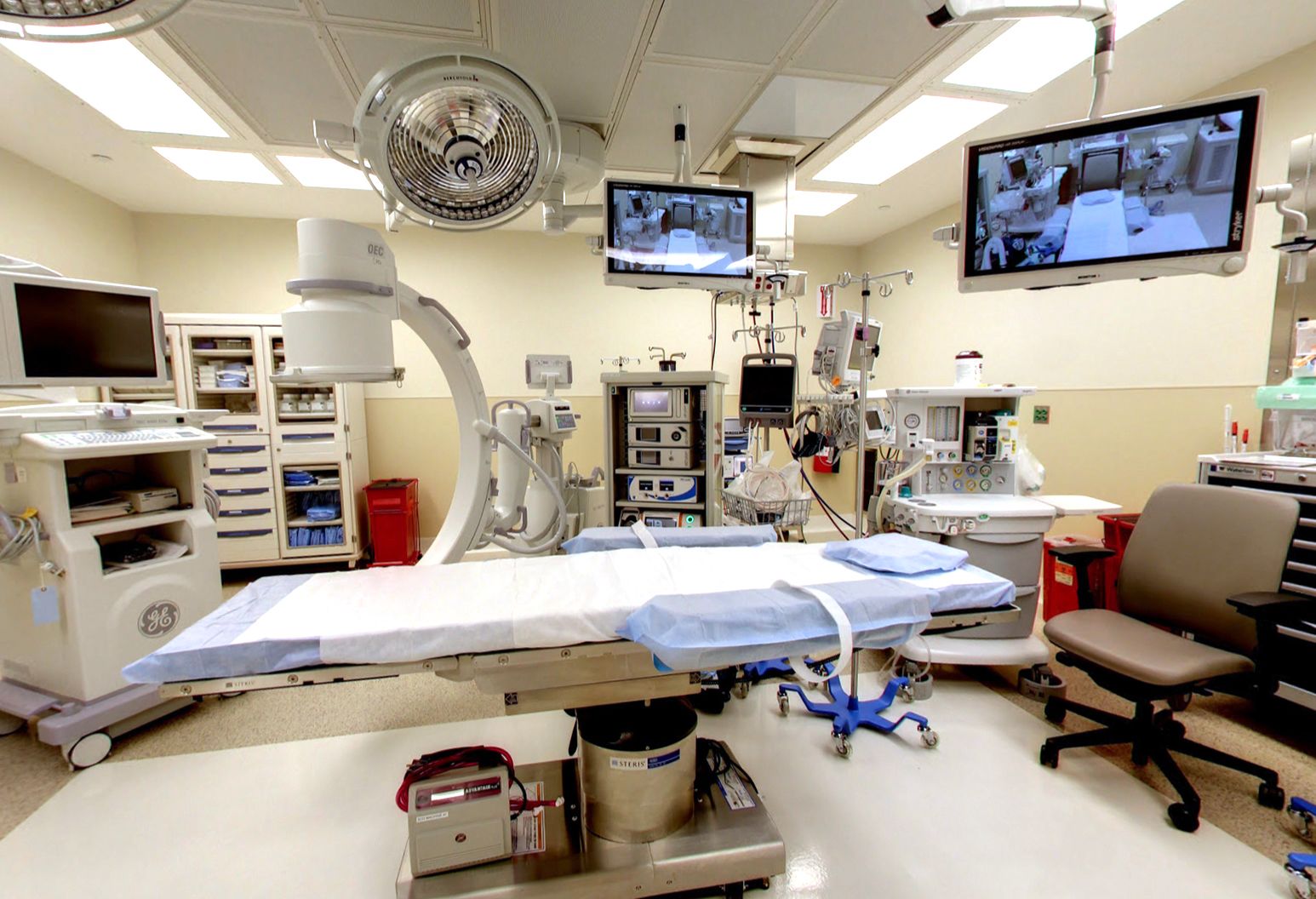
When you decide to build an ASC, the physical environment must meet specific life safety codes. These structural requirements ensure the facility can handle surgical procedures while maintaining a sterile environment. Adhering to the guidelines for ASC construction prevents costly delays during the initial state inspection process. Proper planning involves coordinating with architects who specialize in healthcare design and surgical flow.
Documentation and Governance
A robust administrative foundation is vital for maintaining high clinical standards. Every facility must develop a comprehensive ASC policy and procedures manual to govern daily activities. This document serves as a roadmap for staff, detailing everything from infection control to emergency protocols.
Following the guidelines for ASC documentation helps administrators pass rigorous audits from CMS or private accreditors. Clear governance structures ensure that every team member understands their specific role in patient care.
Quality Improvement and Patient Safety
Continuous monitoring of clinical outcomes is a core requirement for modern surgical centers. Implementing the guidelines for ASC quality reporting allows facilities to identify areas for improvement. This proactive stance on safety fosters a culture of excellence and builds trust within the local medical community. Consistent evaluation ensures the facility remains compliant with evolving healthcare standards.